Portable Platforms Fuse Slot Jackpots with Live Dealer Sessions and Sports Stakes Through Tailored Incentives
Casey Zimmermann · Aug 25, 2026
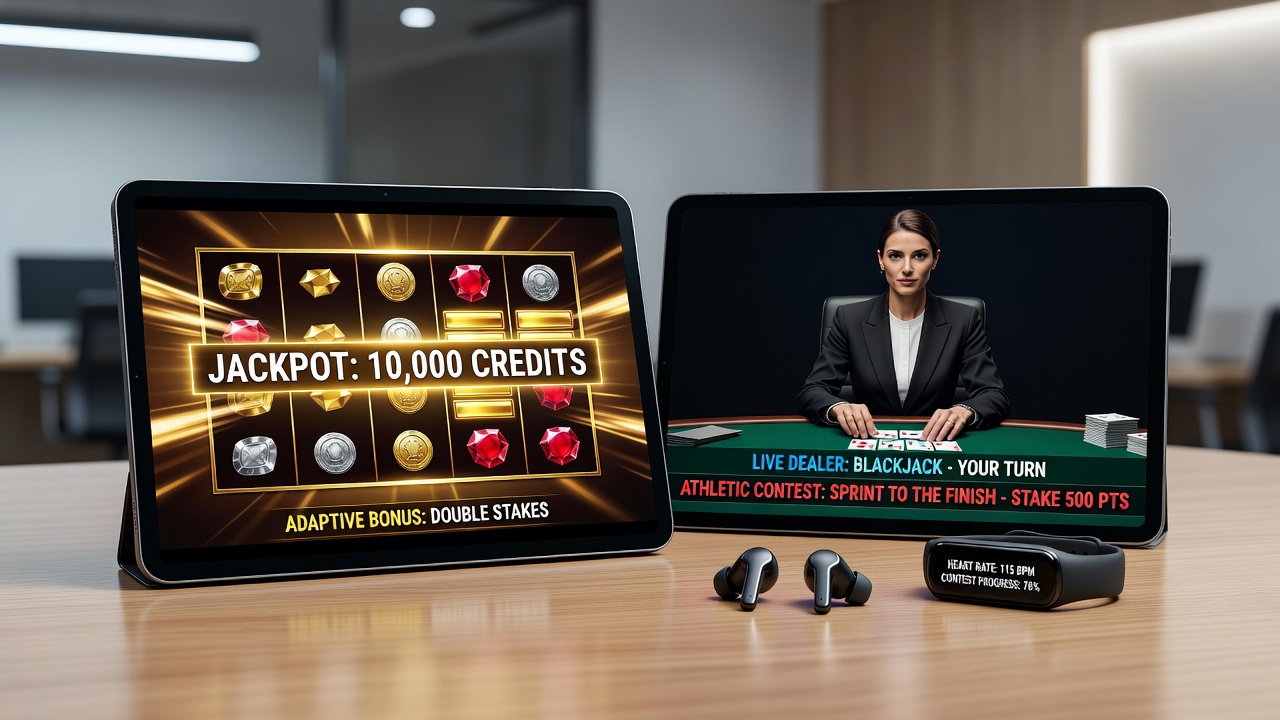
Portable Platforms Fuse Slot Jackpots with Live Dealer Sessions and Sports Stakes Through Tailored Incentives
Developers have built adaptive incentive structures that link high-volume reel wins directly to interactive dealer experiences while folding in athletic contest stakes on portable devices, and these systems adjust rewards in real time based on player activity patterns. Operators track session data to shift bonus values across game types so that a streak on reels can unlock enhanced multipliers for live tables or added odds on sports wagers without requiring separate logins or app switches.
Platforms now use algorithms that monitor reel spin frequency alongside dealer table participation rates and sports event selections, then apply layered incentives that scale with total engagement volume. Research from the University of Nevada Reno Gaming Lab shows these merged structures increase cross-category playtime by measurable margins when incentives adapt within the same session rather than resetting between modes.
Core Mechanics of Merged Incentive Systems
High-volume reel play triggers initial reward tiers that carry forward to dealer tables where players receive stacked credits for consistent participation, and those same tiers extend to athletic contest markets by offering boosted stakes on upcoming matches. The integration relies on unified player profiles that update across all three categories simultaneously so a large reel payout can automatically adjust live table minimums or sports wager limits for the remainder of the session.
Portable devices handle these transitions through lightweight APIs that sync account states in under two seconds, allowing users to move from slots to dealer interactions or sports dashboards while maintaining active bonus chains. Data indicates that sessions incorporating all three elements retain users longer than single-category play when the incentives remain visible and adjustable on screen.
Technical Implementation on Handheld Hardware
Engineers optimized the structures for smaller screens by prioritizing quick-tap navigation between reel grids, dealer video feeds, and sports score overlays while keeping incentive meters persistent at the top or side of the interface. Battery and data usage stay controlled because the adaptive calculations run on server-side processing rather than local computation, and push notifications alert users only when new reward tiers unlock.
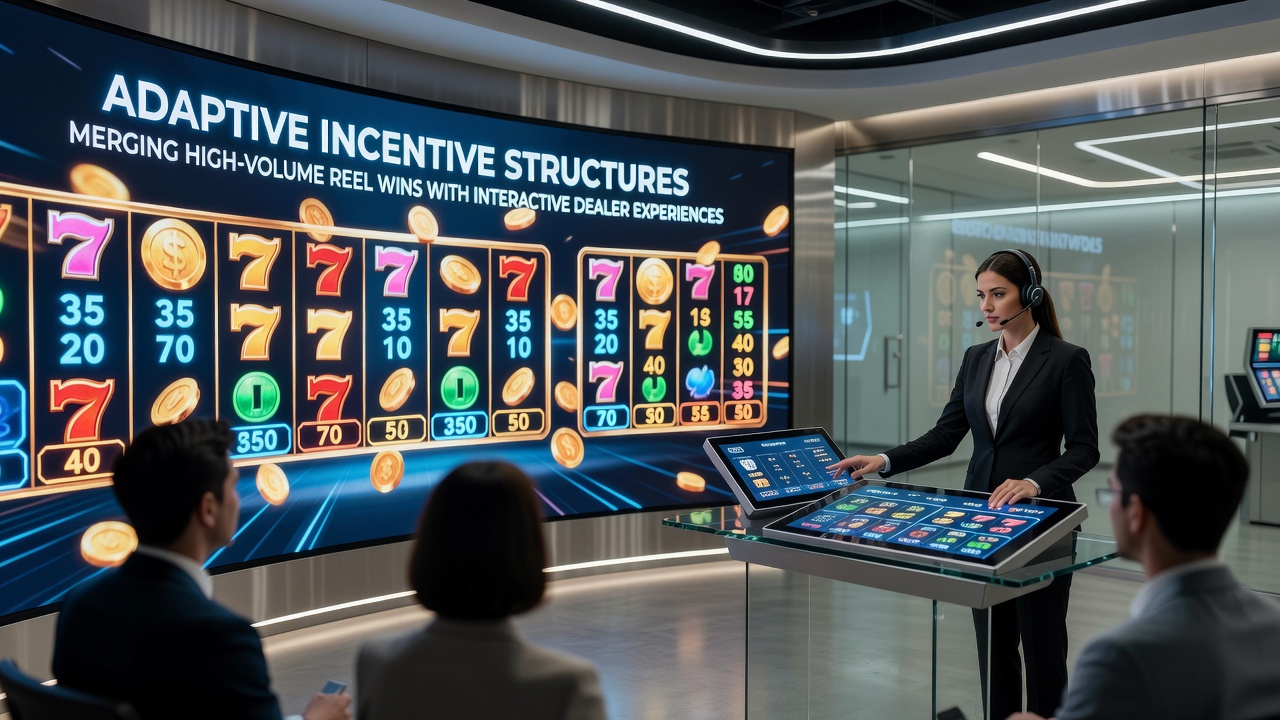
Security protocols encrypt each incentive adjustment so that reel wins feeding into dealer or sports bonuses cannot be intercepted or altered mid-transaction. Testing across multiple device models confirms consistent performance on both iOS and Android platforms when connections remain stable, and fallback modes preserve partial progress if network interruptions occur.
Regulatory Landscape and Market Data
Agencies such as the Nevada Gaming Control Board have issued updated compliance guidelines that address cross-category incentive tracking, requiring clear disclosure of how reel activity influences dealer or sports rewards. Figures from industry reports compiled by the American Gaming Association reveal that mobile segments incorporating these merged structures accounted for rising shares of total handle in monitored jurisdictions through mid-2026.
Operators report that August 2026 updates to several major platforms introduced refined adaptation speeds, cutting the delay between a qualifying reel win and the appearance of corresponding dealer or sports incentives to under one second on average. These changes align with broader hardware improvements in 5G coverage that support uninterrupted multi-category sessions.
Player Behavior Patterns Observed
Analysts note that users who begin with high-volume reel sessions often extend their time into dealer tables when the carried-over incentives appear immediately, and a subset of those same users then place athletic contest wagers once the reward overlay expands to include sports markets. Retention metrics improve when the incentive path remains transparent rather than hidden behind multiple menus.
Case examples from platform operators show repeat engagement spikes on days when major athletic events coincide with new reel promotions that feed directly into live dealer bonuses, creating chained participation across all three categories within single portable sessions.
Conclusion
Adaptive incentive structures continue to evolve as portable hardware and network capabilities advance, linking reel wins, dealer interactions, and athletic stakes through unified reward layers that adjust based on real-time activity. Observers track these developments through regulatory filings and aggregated usage data from multiple regions, noting that seamless integration across game types defines current platform design priorities. The approach maintains separate compliance requirements for each category while presenting users with a continuous experience on handheld devices.