Security Advances in Payments Unlock Integrated Progressive Jackpots Across Live Play and Timed Events
Gisela Keller · Nov 23, 2026
Security Advances in Payments Unlock Integrated Progressive Jackpots Across Live Play and Timed Events
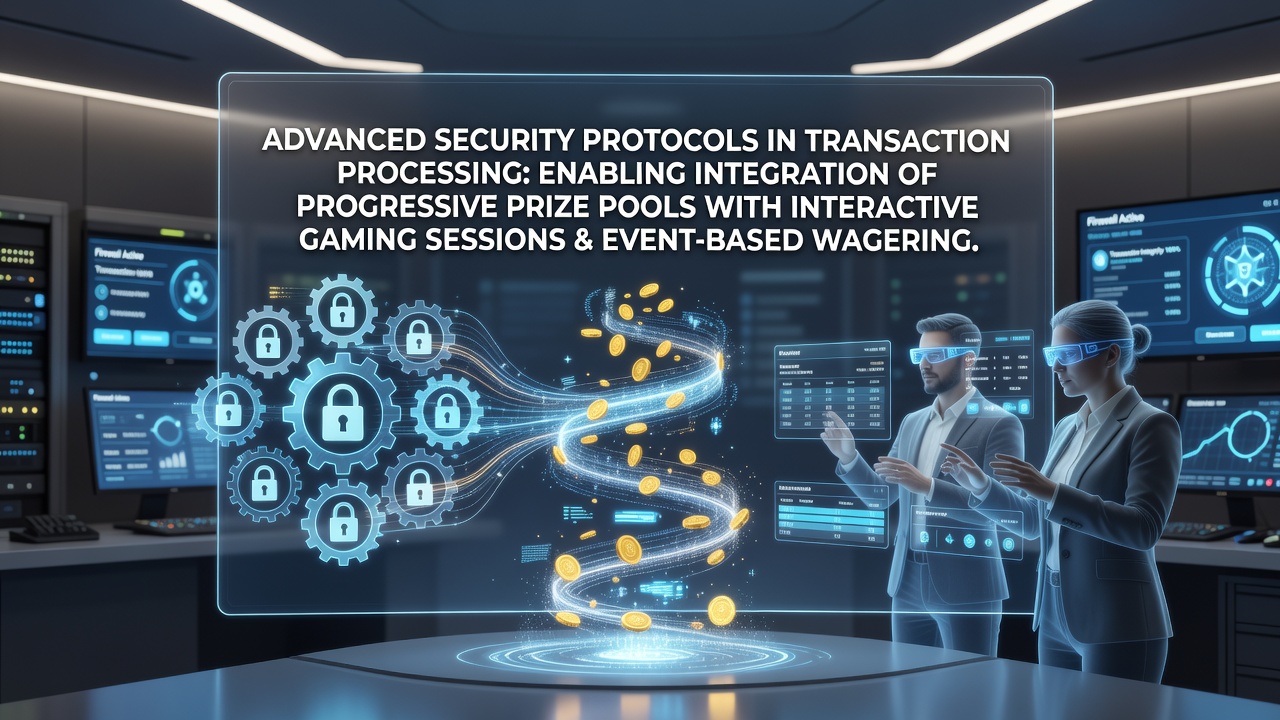
Advanced security protocols now handle transaction processing at speeds that support direct connections between progressive prize pools and ongoing interactive sessions, and observers note that these systems manage encryption, tokenization, and real-time verification without interrupting play flow. Companies deploy multi-layered authentication that checks each wager against pooled funds while maintaining separate ledgers for event-based triggers such as tournament milestones or match outcomes.
Core Security Components Driving Integration
Encryption standards including AES-256 combined with end-to-end tokenization allow operators to process contributions to shared prize pools during live dealer rounds or sports wagers, and data from regulatory filings show that these methods reduce latency to under 200 milliseconds in high-volume environments. Blockchain-based audit trails record every pool increment across distributed nodes, which enables verification of jackpot eligibility without exposing individual player data to the broader network.
Researchers at institutions tracking gaming technology report that application programming interfaces now link pool management software directly to session engines, so a player placing a bet in an interactive roulette sequence can see incremental growth in the progressive total within the same interface. Event-based wagering benefits when security layers validate time-sensitive conditions, such as a goal scored during a live match, and then allocate portions of the prize pool accordingly while preventing duplicate claims through synchronized timestamps.
Real-Time Processing in Interactive Sessions
Interactive gaming sessions rely on continuous data streams that security protocols monitor for anomalies, and figures from industry analyses indicate transaction volumes exceeding 50,000 per minute during peak events without compromising pool integrity. Adaptive firewalls and behavioral analytics flag irregular patterns, which allows systems to pause or reroute contributions while the session continues uninterrupted for verified participants.

Take one platform that integrated these protocols in early 2025: contributions from slot spins feed directly into a shared pool visible during concurrent live blackjack tables, and the same security framework handles event wagers on external sports outcomes that feed back into the prize calculation. Observers note that such setups maintain separate compliance records for each jurisdiction, satisfying requirements from bodies like the Nevada Gaming Control Board while supporting cross-border event linkages.
Event-Based Wagering and Pool Synchronization
Event-based wagering introduces variable timing that security protocols accommodate through dynamic smart contracts, and reports from the Australian Communications and Media Authority highlight how these contracts trigger pool distributions only after multi-signature confirmations from independent validators. Progressive totals grow from both session-based bets and discrete event entries, yet the underlying ledgers remain isolated until final settlement to avoid premature allocation.
Data released in November 2026 by technology research groups showed a 34 percent rise in platforms offering unified prize structures across live sessions and timed sporting events, with security certifications cited as the primary enabler. Multi-factor authentication at the transaction layer verifies player eligibility against pool rules before any funds transfer occurs, which reduces disputes and supports higher participation rates during major events.
Regulatory and Technical Alignment
Regulatory frameworks in multiple regions now reference these security standards when approving integrated systems, and studies from Canadian research centers demonstrate that tokenized transaction logs provide auditors with granular visibility into pool contributions without requiring full session replays. Operators implement zero-knowledge proofs to confirm jackpot eligibility while withholding sensitive details, which satisfies both privacy rules and operational transparency demands.
What's interesting is how these protocols scale across device types: mobile sessions feed the same pools as desktop or venue-based terminals, and synchronization occurs through encrypted channels that update totals every few seconds during live events. Industry associations tracking these developments point to standardized API security profiles that prevent injection attacks or pool manipulation attempts during high-stakes periods.
Conclusion
Security protocols centered on encryption, tokenization, and real-time verification continue to expand the technical foundation for linking progressive prize pools with interactive sessions and event wagering. Reports from diverse regulatory and academic sources document measurable growth in these integrated offerings, driven by protocols that maintain compliance and operational continuity across varied platforms and jurisdictions.